

Technik
Lithiumbatteriesicherheit in elektrischen Shakern
Veröffentlicht
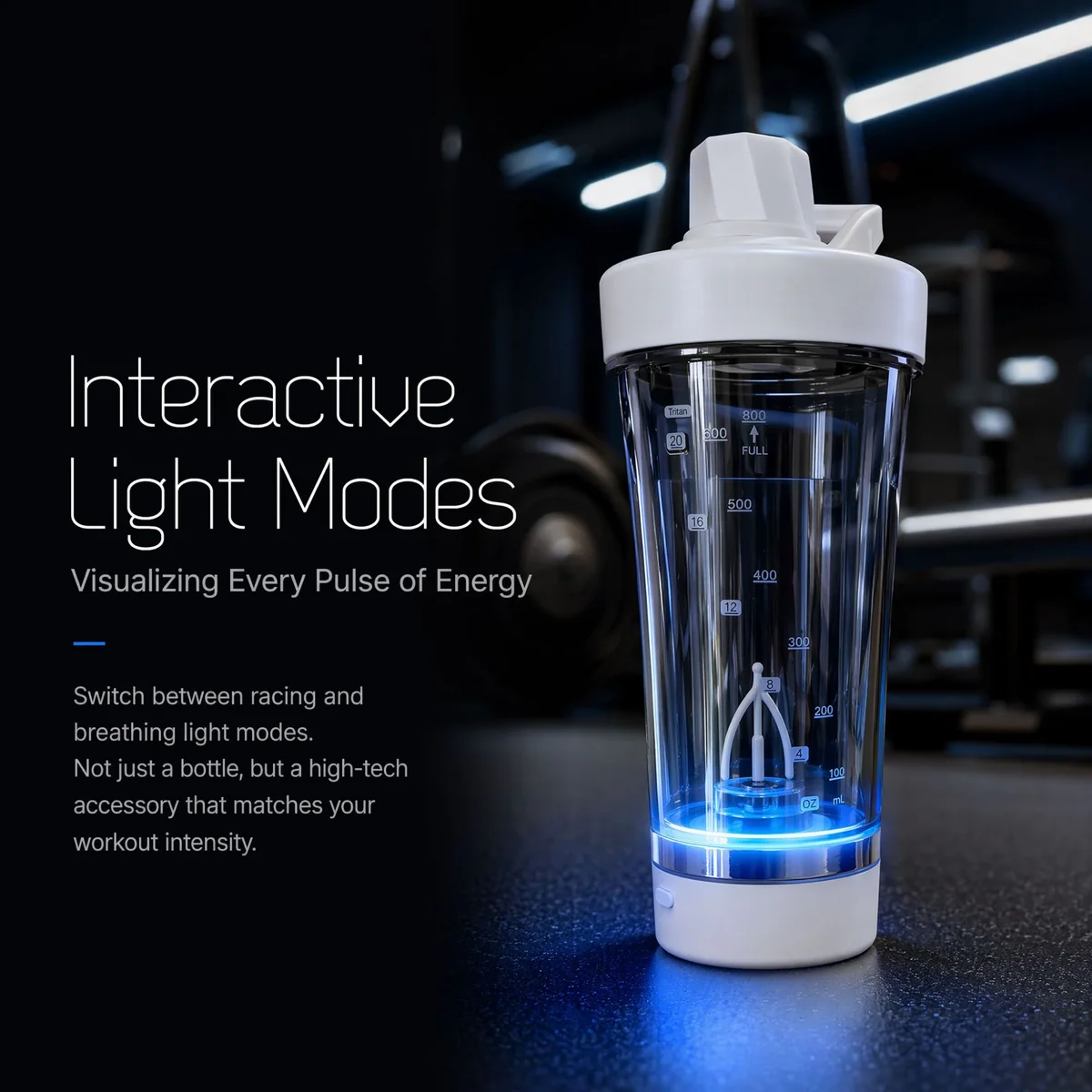
Wiederaufladbare Batterien in Flüssigkeitsumgebungen verlangen strengen elektrischen Schutz. So sichern IEC 62133-2 und UN 38.3 die Sicherheit.
Integrating rechargeable lithium-ion cells into consumer drinkware introduces unique engineering challenges at the intersection of electrical safety and moisture exposure. Unlike stationary electronics, portable electric shakers undergo frequent water washing, dynamic vibration in gym bags, and repeated charge-discharge cycles, demanding multi-tier battery management.
Key electrical safety standards: IEC 62133-2 and UN 38.3
International safety compliance for portable rechargeable drinkware relies on two complementary testing frameworks. While IEC 62133-2 certifies electrical, thermal, and mechanical safety for consumer use, UN 38.3 governs transport safety across air, sea, and road logistics.
| Standard & scope | Core test procedures | Safety pass criteria | Role in electric drinkware |
|---|---|---|---|
| IEC 62133-2 (Consumer safety) | Continuous charging, drop test, external short circuit | No fire, no explosion, no electrolyte leakage | Ensures daily electrical and user safety |
| UN 38.3 (Transport logistics) | T1 to T8 altitude, thermal cycling, vibration, shock | No mass loss, no venting, voltage stability | Mandatory for international cargo shipping |
| PCM / BMS (Internal protection) | Overcharge, over-discharge, over-current cutoff | Voltage cutoff within 4.25 V and 2.80 V thresholds | Prevents cell degradation and thermal runaway |
Five tiers of battery management system (BMS) protection
A certified Protection Circuit Module (PCM) embedded within the shaker base regulates power flow and isolates the battery cell from abnormal electrical conditions.
- Overcharge voltage cutoff: Automatically terminates charging when cell voltage reaches 4.25 V, preventing lithium plating and internal pressure buildup
- Over-discharge cutoff: Disconnects load when voltage drops below 2.80 V, protecting cell chemistry from irreversible capacity loss and swelling
- Short-circuit and moisture isolation: Instantly breaks electrical connection if moisture bridges the charging contacts or motor terminals during washing
How MIXVIEN engineers battery safety and longevity
MIXVIEN incorporates certified lithium-ion cells and multi-stage protection circuitry across its rechargeable drinkware catalog, balancing battery capacity with compact ergonomics.
- VX100: 800 ml with 600 ml marked capacity, a 316 stainless steel liner, an IPX6 whole-unit wash housing, a 9000 rpm magnetic drive, and a 1200 mAh lithium battery
- VX90: 630 ml, an Eastman Tritan body heat-resistant to 100 C, a 9000 rpm stirring paddle, and a 1200 mAh battery isolated inside a detachable modular base
- 25700: 700 ml, an Eastman Tritan body, a 7.4 V dual-cell motor configuration for enhanced torque, and an integrated USB rechargeable port
What B2B buyers should specify for battery compliance
When sourcing rechargeable drinkware for private label brands or corporate gifting, procurement teams should verify essential battery documentation before shipment.
- Require valid IEC 62133-2 test certificates and UN 38.3 test summaries for the exact battery pack configuration
- Verify charging input specifications, ensuring 5 V at 1 A regulation with universal Type-C or magnetic charging interfaces
- Confirm battery cycle life data, verifying at least 300 charge cycles at 80% remaining capacity under standard test conditions
- Check waterproof sealing around the battery housing, verifying silicone gaskets or sealed potting to prevent moisture ingress
Sources
- IEC 62133-2 Safety Requirements for Portable Secondary Lithium Cells: International Electrotechnical Commission (iec.ch)
- Globally Harmonized Battery Safety Standards Guide: InCompliance Magazine (incompliancemag.com/globally-harmonized-battery-safety-standards/)
- UN 38.3 Transport of Lithium Metal and Lithium Ion Batteries: UNECE (unece.org/transport/dangerous-goods)
- Lithium Battery Safety and Compliance Testing: Intertek (intertek.com/batteries/iec-62133/)
- European Battery Safety Regulations and EN 62133-2: Battery Design Portal (batterydesign.net/legislation-rules-and-regulations/en-62133-2/)
- Rechargeable electric shaker battery life and charging demonstrations: TikTok (tiktok.com/tag/electricshakerbottle) (Audience signal)
- Gym lifestyle and rechargeable fitness drinkware daily use: Instagram (instagram.com) (Audience signal)
Verwandte Modelle
In diesem Beitrag genannte Modelle.
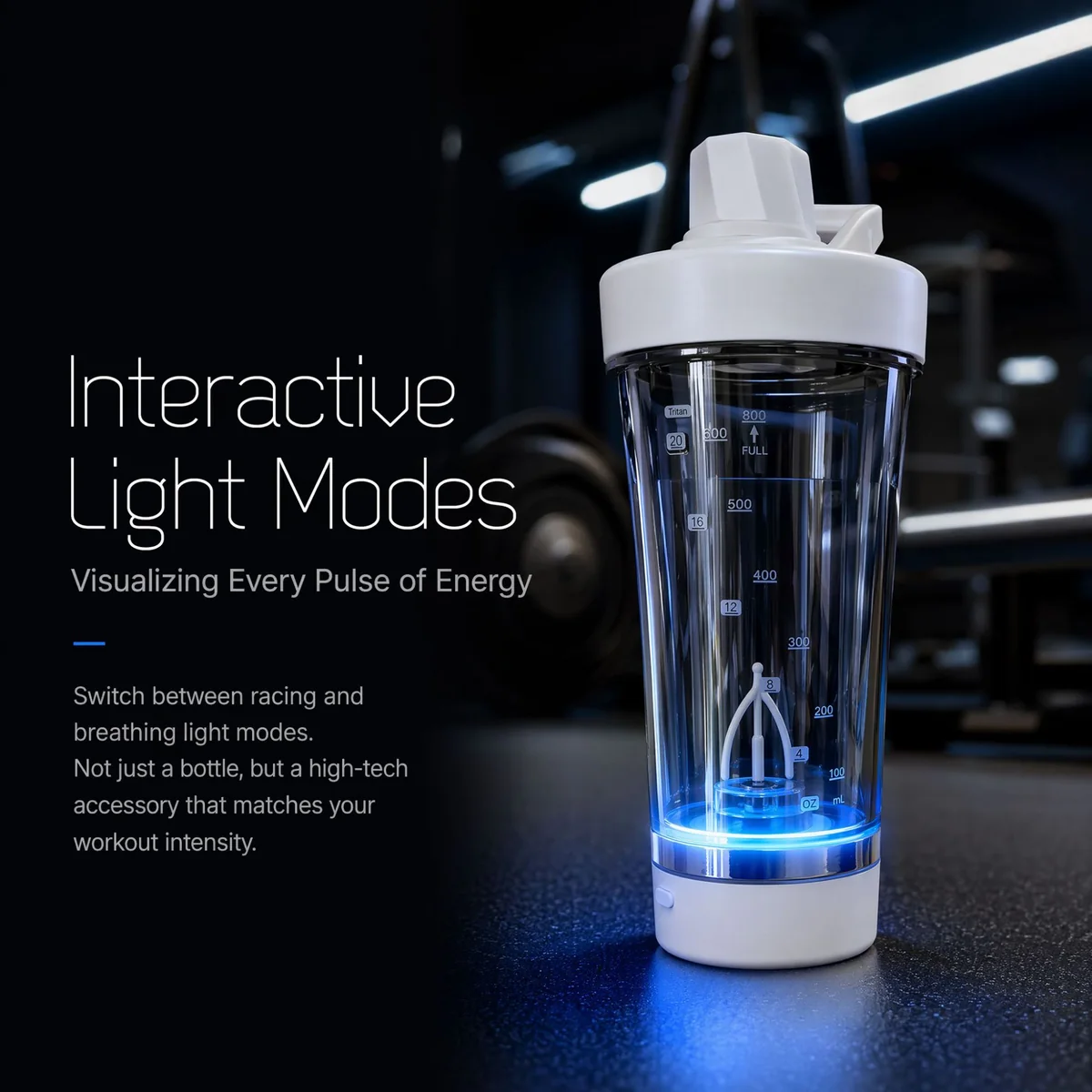
Modell: VX100
VX100 Magnetischer Selbst-Rührbecher, 800 ml
Ein 800-ml-Becher, der mit einem Magnetrotor statt einer Klinge rührt – nichts Scharfes zum Reinigen. Tritan-Korpus mit Innenauskleidung aus Edelstahl 316, abnehmbarer Sockel und IPX6-Reinigung des gesamten Geräts.
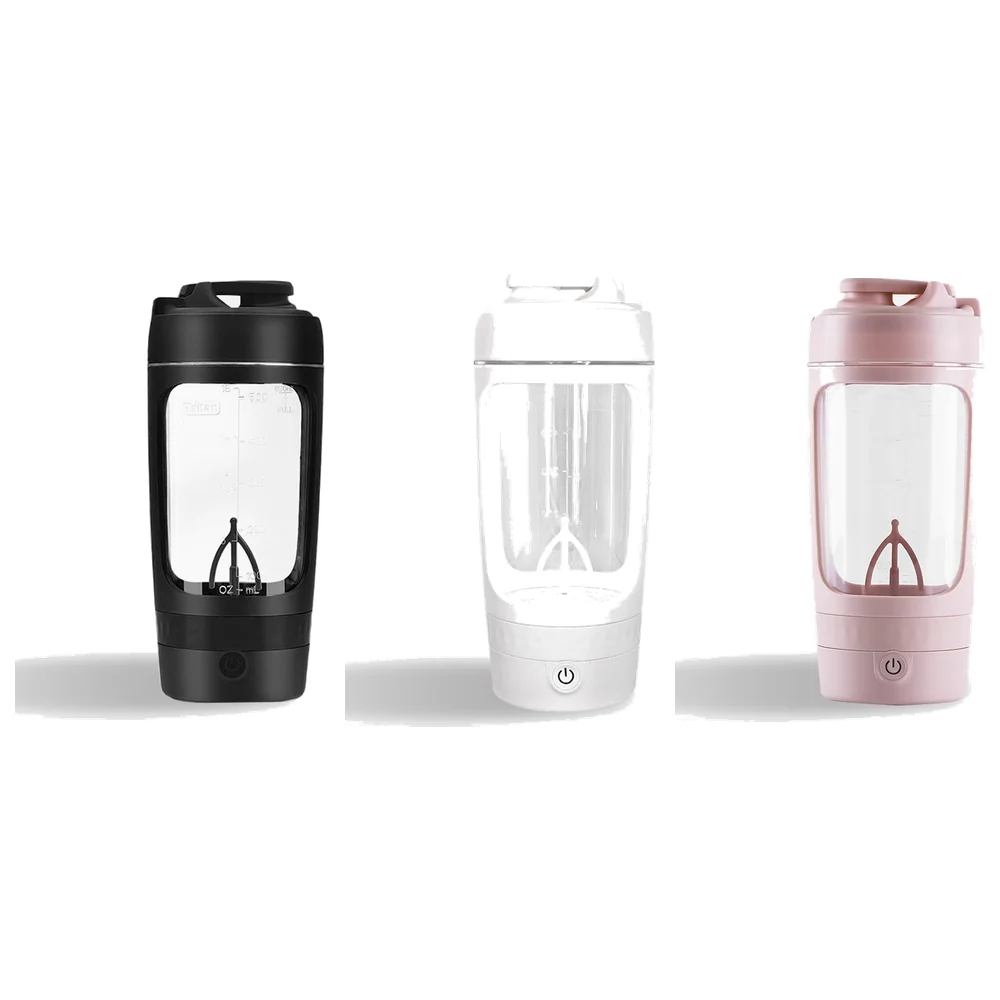
Modell: VX90
VX90 Abnehmbarer elektrischer Mixbecher, 630 ml
Wiederaufladbarer Mixbecher mit 630 ml und 9,000 rpm Rührpaddel. Deckel, Behälter und Sockel lassen sich zum Reinigen vollständig trennen; der US-importierte Tritan-Korpus hält Wasser bis 100 °C stand.
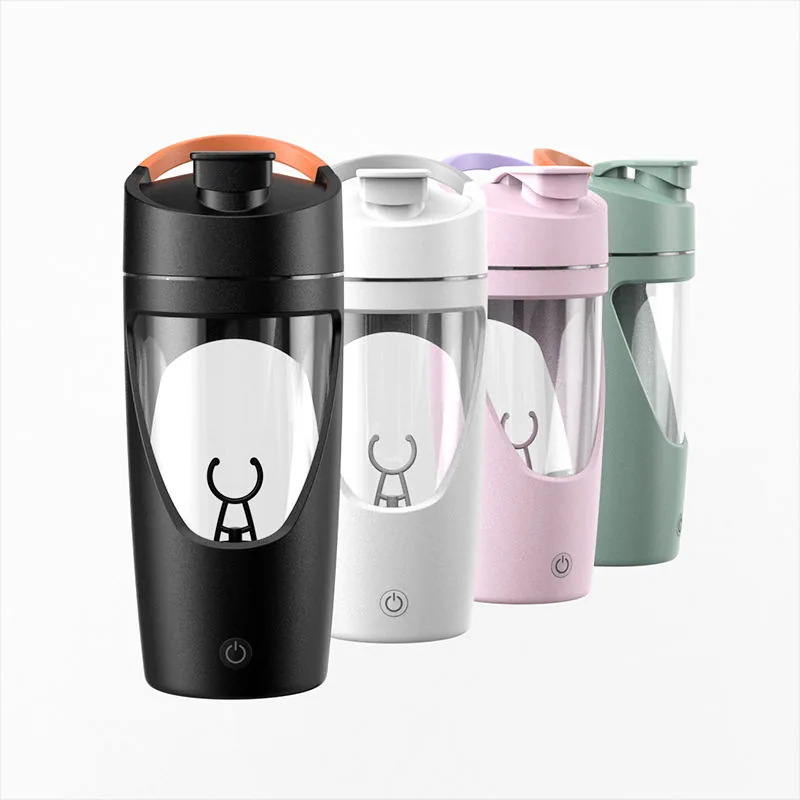
Modell: 25700
25700 Wiederaufladbare elektrische Protein-Shaker-Flasche, 700 ml
Versandfertiger 700-ml-Shaker aus Eastman Tritan, USB-aufladbar, in vier Gehäusefarben für Eigenmarken-Programme.
Dieses Modell anfragen
Senden Sie Zielmenge, Markt und Branding-Anforderungen — wir antworten mit Angebot und Musterlieferzeit.