

Quality control
The EU BPA Ban Passed Its Deadline: What Drinkware Buyers Should Ask Now
Published
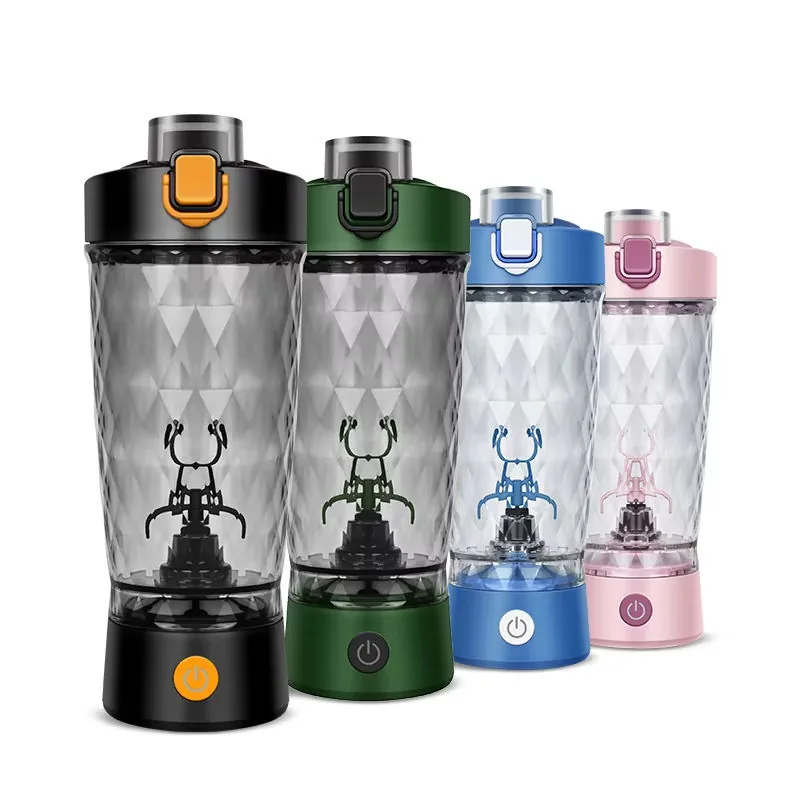
The EU has ended its main transition period for bisphenol A in food contact materials. For reusable drinkware the question is no longer whether a bottle says BPA-free, but what documentation stands behind the claim.
On 20 July 2026 the main transition period under Commission Regulation (EU) 2024/3190 ended. From that date a food contact article manufactured using bisphenol A can no longer be placed on the EU market for the first time, unless it falls within one of the regulation's narrow derogations. For anyone buying reusable drinkware, that turns a labelling question into a paperwork question.
What the regulation covers
Regulation (EU) 2024/3190 entered into force on 20 January 2025, and its scope is wider than the polycarbonate bottle it is usually associated with. It sets requirements for bisphenol A and other hazardous bisphenols across several groups of food contact materials and articles, and it also amends Regulation (EU) No 10/2011 while repealing Regulation (EU) 2018/213.
- Plastics
- Silicones
- Printing inks
- Adhesives
- Rubbers
- Ion-exchange resins
- Varnishes and coatings
That list matters for drinkware because a mixing cup is never one material. A typical unit combines a Tritan or glass vessel, a PP lid, a silicone seal and a printed logo, and each of those parts is assessed on its own. A review that looks only at the main body material will miss the components that actually sit against the drink.
The dates that matter
| Date | What it means |
|---|---|
| 20 January 2025 | Regulation (EU) 2024/3190 enters into force |
| 20 July 2026 | End of the main transition period for most affected articles |
| 20 January 2029 | Outer date for repeat-use articles already lawfully placed on the market |
Why a BPA-free label is no longer enough on its own
The regulation introduces a written declaration of compliance for the materials in scope, and it points to a detection limit of 1 µg/kg where the absence of bisphenol A has to be verified. That is a documentation standard rather than a marketing claim. A supplier statement that a product is BPA free, with no technical data behind it, does not by itself answer the question.
- The complete material composition, including seals, inks and adhesives
- Current technical data sheets from the raw material suppliers
- A declaration of compliance that cites Regulation (EU) 2024/3190, not only Regulation (EU) No 10/2011
- Migration or extraction test reports where composition alone does not settle the point
- The date the article was first placed on the EU market
What MIXVIEN publishes today
Our published product data lists vessels in Eastman Tritan, borosilicate glass, PP and PCTG, with silicone seals and a 316 stainless steel liner on the VX100. Several models are described in the catalogue as BPA-free, among them the 24165 portable blender, the 25700 electric protein shaker bottle and the 13306 Tritan handled cup.
- CE and RoHS: the product is conformant
- FCC, EMC, FCM, FDA, LFGB, UL and CB: the model is tested against these standards. A tested standard is not a held certificate
- ISO 9001 and ISO 14001: factory-level systems, not product claims
A declaration of compliance is issued for a specific order and a specific set of materials, so buyers who need one for an EU shipment should ask for it directly rather than rely on website wording. We prepare that documentation on request.
Sources
- Commission Regulation (EU) 2024/3190, summarised in SGS SafeGuardS 005/25: https://www.sgs.com/en-gb/news/2025/01/safeguards-00525-eu-regulates-bpa-and-other-bisphenols-in-certain-food-contact-materials
- EU ban on BPA in food contact materials: the main transition period has ended, 24 July 2026: https://www.certifikujeme.cz/en/news/eu-ban-on-bpa-in-food-contact-materials-the-main-transition-period-has-ended-68/
- Food Safety Magazine, EU moves closer to possible ban on BPA in food contact materials: https://www.food-safety.com/articles/9527-eu-moves-closer-to-possible-ban-on-bpa-in-food-contact-materials
- Food Safety Magazine, EU officially adopts ban on BPA in all food contact materials: https://www.food-safety.com/articles/10023-eu-officially-adopts-ban-on-bpa-in-all-food-contact-materials
- European Commission SANTE newsroom, restriction on bisphenols in food contact materials: https://ec.europa.eu/newsroom/sante/items/817697/en
Related models
Models referenced in this article.
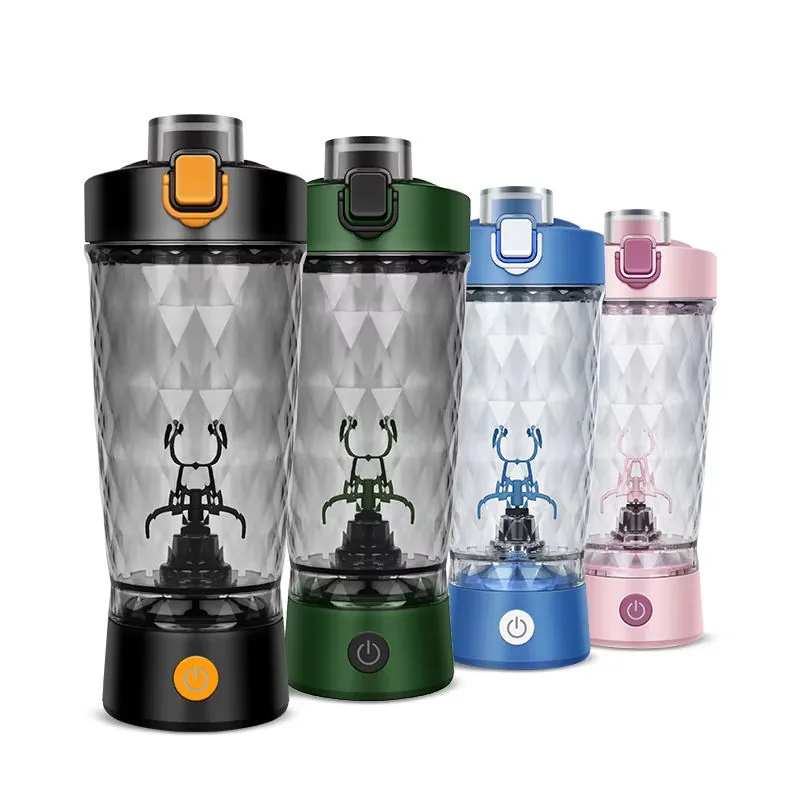
Model: 24165
24165 BPA-Free Portable Blender with German Glass Jar, 650 ml
Three-speed 650 ml blender with a German glass vessel and PCTG housing — a premium option for household and RV channels.
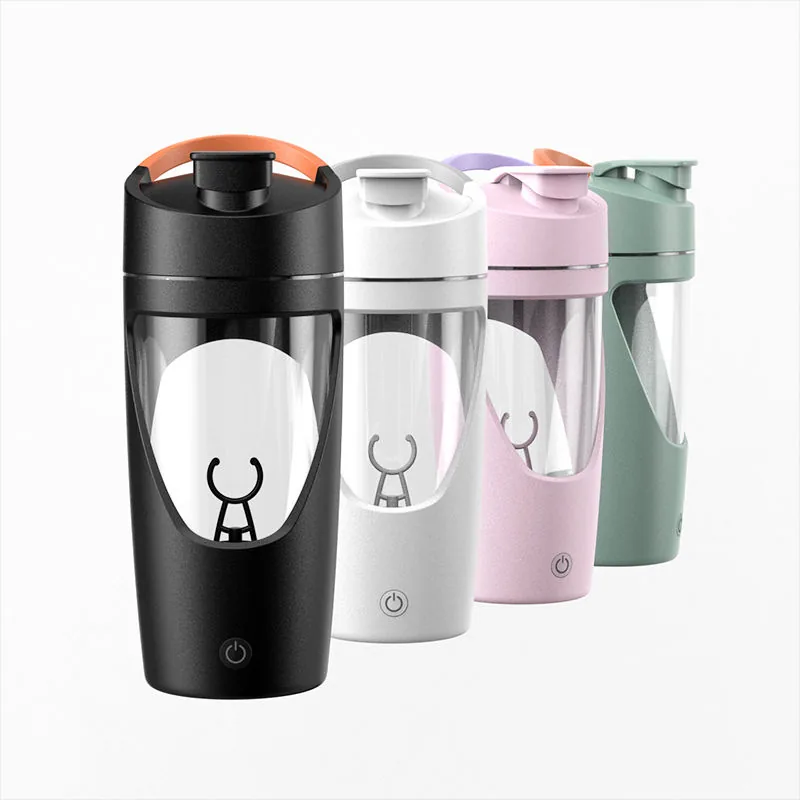
Model: 25700
25700 Rechargeable Electric Protein Shaker Bottle, 700 ml
Ready-to-ship 700 ml shaker built from Eastman Tritan, USB rechargeable, available in four body colours for private-label programmes.
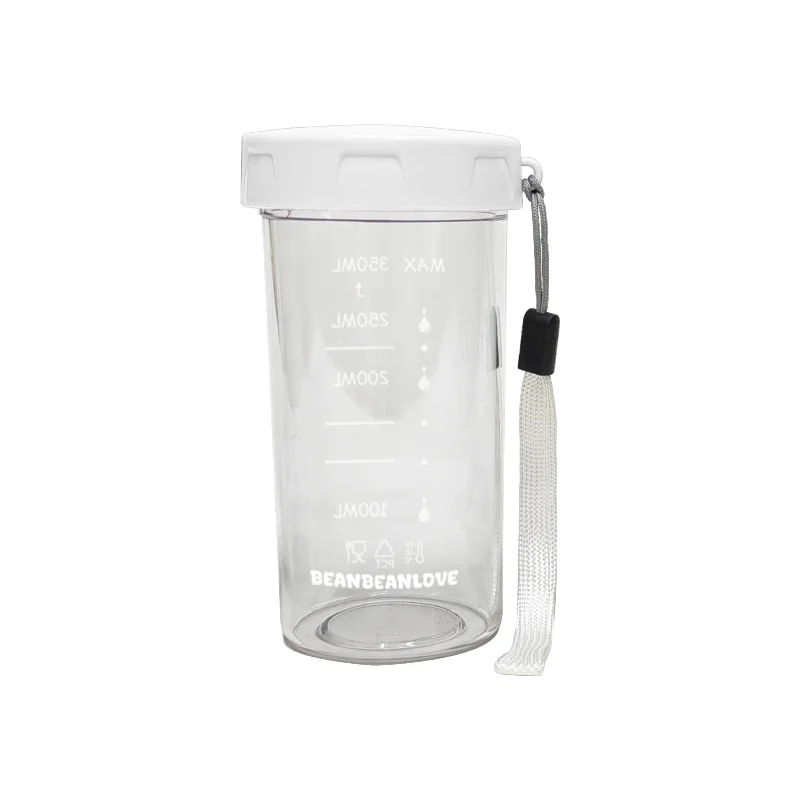
Model: 13306
350 ml Tritan Handled Water Cup with Carry Strap
Single-wall Tritan cup with a moulded handle and a detachable carry strap, 177 × 74 mm and 135 g, sealed against leaks for commuting and desk use
Enquire about this model
Send your target quantity, market and branding requirements — we reply with a quotation and sample lead time.