
Technology
High-RPM Portable Blenders vs Vortex Electric Shakers: Motor Wattage, Blade Hydrodynamics and Ingredient Dissolution
Published
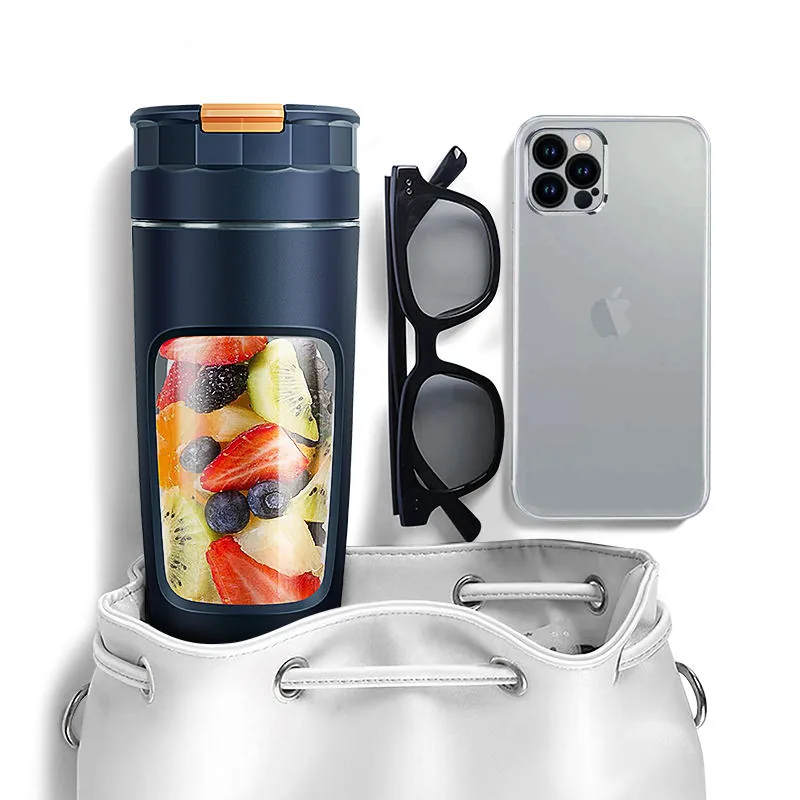
Technical comparison between 20,000 rpm portable blender cups and 7,000-9,000 rpm vortex electric shakers: motor torque, blade mechanics, and powder dissolution.
In motorized beverage appliances, B2B buyers frequently evaluate two distinct categories: high-speed portable blenders and vortex electric shakers. While both utilize rechargeable lithium batteries, their motor wattage, rotational speed, and fluid dynamic mechanisms serve fundamentally different preparation requirements.
Rotational speed, motor torque and fluid mechanics comparison
Portable blenders rely on high-torque DC motors delivering 20,000 rpm at 75 W rated power to drive 304 stainless steel multi-wing blades, generating intense mechanical shear forces. In contrast, electric shakers operate between 7,000 rpm and 9,000 rpm, generating a gentle vortex flow that dissolves powders without high shear impact.
| Technical parameter | High-speed portable blender | Vortex electric protein shaker |
|---|---|---|
| Motor rotational speed | 20,000 rpm | 7,000 rpm to 9,000 rpm |
| Rated motor power | 75 W | 5 W to 10 W |
| Mixing mechanism | 304 stainless steel cutting blade | Blunt polymer impeller or magnetic rotor |
| Target ingredients | Frozen fruits, fibrous vegetables, ice cubes | Whey protein, collagen peptides, pre-workout |
| Liquid shearing effect | High mechanical shear (crushing & emulsifying) | Low-shear vortex convection (zero foaming) |
| Typical cup capacity | 500 ml to 600 ml | 630 ml to 800 ml |
Ingredient dissolution and protein integrity
When preparing delicate nutritional supplements such as whey protein isolate and hydrolyzed collagen, excessive shear from 20,000 rpm blades can denature proteins and generate 30% to 50% excessive foam. The 8,000 rpm to 9,000 rpm vortex flow in electric shakers creates smooth laminar convection, dissolving powder clusters in 15 to 30 seconds while preserving protein structure.
Safety interlocks and material compliance standards
Because portable blenders house sharp rotating blades operating at 20,000 rpm, international safety regulations under IEC 60335-2-14 mandate dual magnetic induction interlocks that prevent motor activation whenever the cup is detached from the base. Electric shakers with blunt impellers minimize mechanical hazards while adhering to standard electrical enclosure rules.
- Material Food Contact Safety: Food-grade PCTG, AS, and Tritan resin bodies comply with FDA 21 CFR 177.1240 and LFGB standards for non-toxic, BPA-free operation.
- Blade Durability & Hygiene: Surgical-grade 304 stainless steel blade assemblies resist organic acid corrosion and withstand 500 wash cycles without edge pitting.
- Battery & BMS Architecture: High-discharge 7.4 V or 3.7 V battery packs with 1,200 mAh to 1,500 mAh capacities pass UN 38.3 transport testing.
B2B procurement and category positioning strategy
For private-label brands and retail distributors, catalog positioning depends on the target user demographic. Gym enthusiasts and supplement brands benefit from lightweight 700 ml to 800 ml vortex shakers (such as models EMC012-S and VX100), whereas smoothie and wellness consumers require 500 ml to 600 ml portable blenders (such as models P2020R and P2060R) with 75 W crushing power.
Related models
Models referenced in this article.
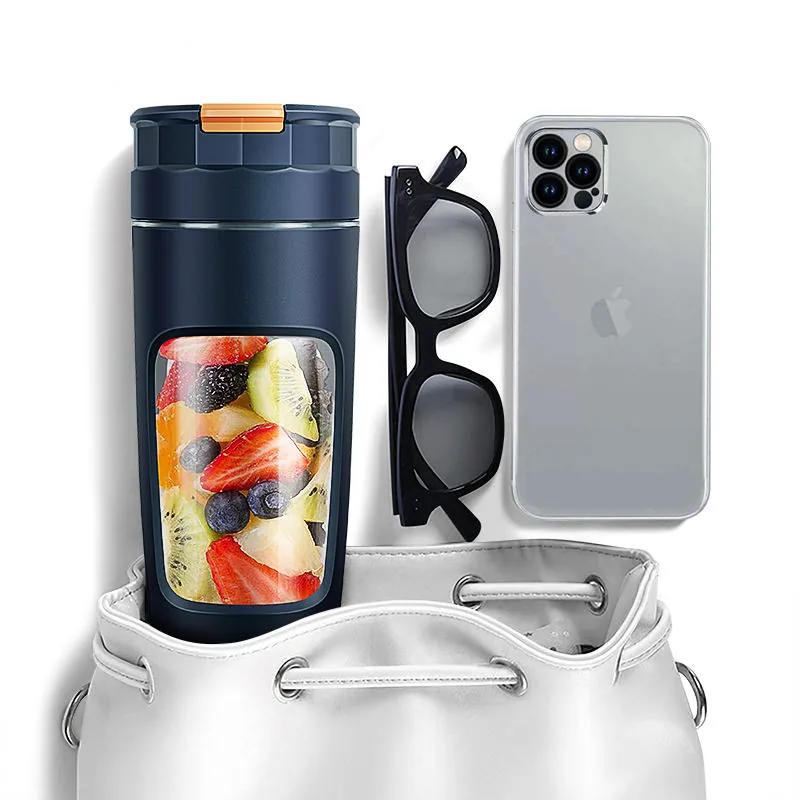
Model: P2060R
P2060R 600 ml USB Portable Blender / Juicer Cup
75 W portable blender running at 20,000 rpm with a 304 stainless-steel blade set and dishwasher-safe parts.
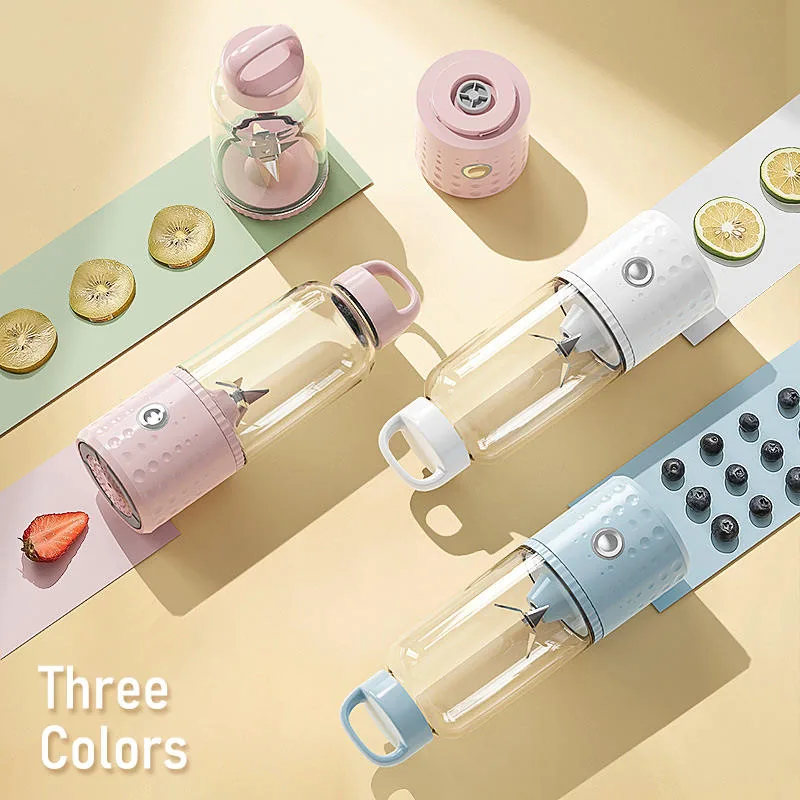
Model: P2020R
P2020R 500 ml Portable Mini Juicer Blender
Tall 500 ml juicer cup with a 75 W motor and stainless-steel blade — designed for single-serve smoothies and shakes.
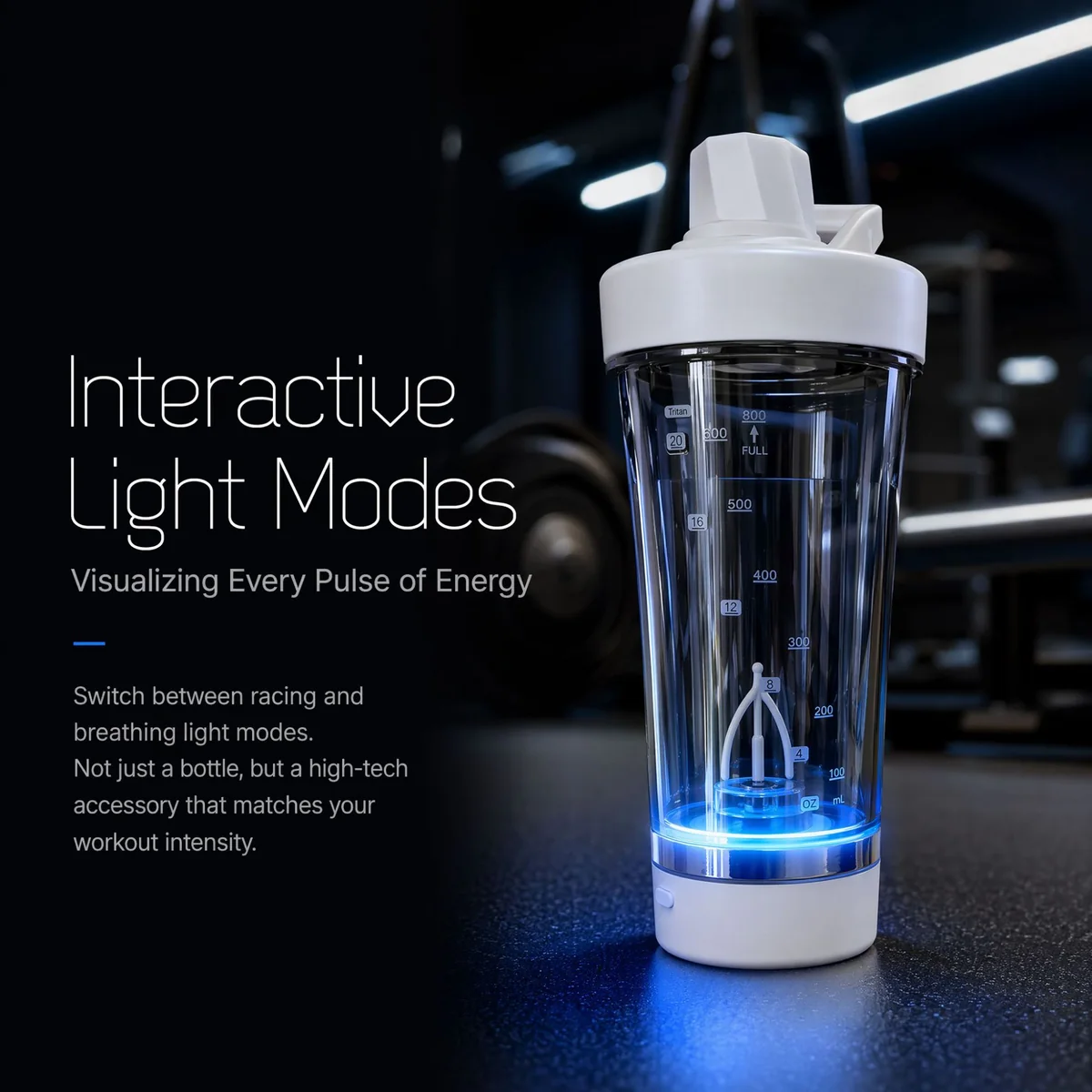
Model: VX100
VX100 Magnetic Self-Stirring Cup, 800 ml
An 800 ml cup that stirs with a magnetic rotor rather than a blade, so there is nothing sharp to clean. Tritan body with a 316 stainless liner, a base that separates, and an IPX6 whole-unit wash.
Enquire about this model
Send your target quantity, market and branding requirements — we reply with a quotation and sample lead time.